

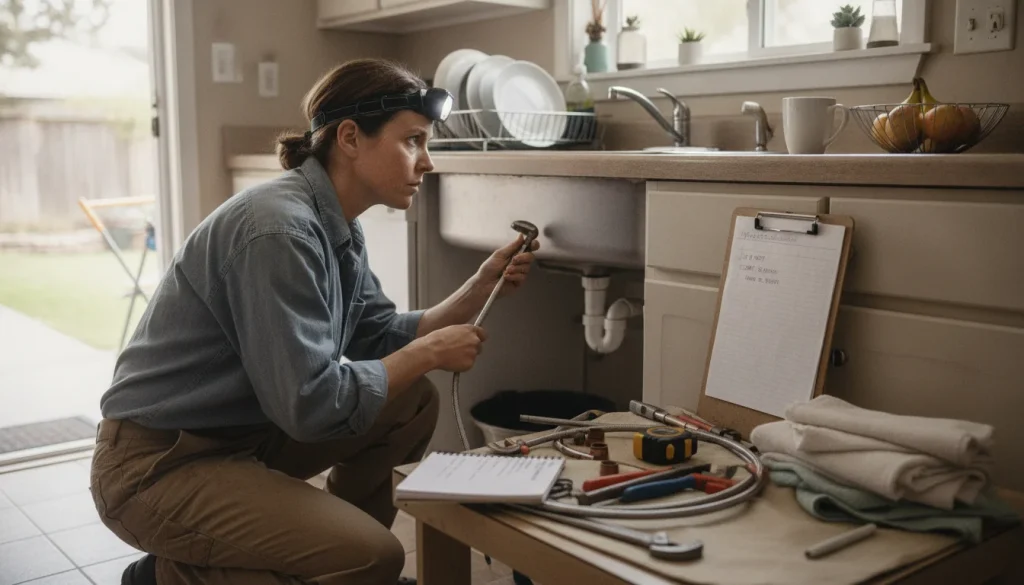
Choosing fast is easier when you know exactly what to verify. The most important questions to ask a plumber cover credentials (license and insurance), experience with your exact issue, written estimates and pricing, permit responsibility and scheduling, and warranties plus cleanup. Confirm these in writing and you’ll compare bids confidently—even during a leak, clogged drains, or a water heater outage.
Before you hire a plumber in Lawrenceville
The key questions to ask a plumber cover license and insurance, scope, price, schedule, warranty, cleanup, and references. Ask them before you say yes. In Lawrenceville, the right questions keep your home safe and your project on track. Use this checklist to compare bids with confidence and decide quickly without regret.
Plumber Lawrenceville GA works across Lawrenceville every week on leak detection, drain cleaning, and water heater repair. The team at Plumber Lawrenceville GA recommends the questions below for any job area, from emergency plumbing calls to planned drain repair.
Essential questions to ask a plumber
Start by confirming the basics. A state license and active insurance protect you if something goes wrong. Clear roles and permit handling prevent delays and fines.
- Are you licensed in this state and can I see your license number? A Georgia state license shows verified training. Ask for the number and board so you can check it online.
- Do you carry general liability and workers' compensation insurance? Liability covers property damage; workers' comp covers worker injuries. Request a current certificate that names you as the certificate holder.
- How much experience do you have with my specific issue (e.g., leaks, clogs, water heaters)? Pick someone who handles your problem daily, like slab leaks, root intrusions, or tankless service.
- Who will perform the work and are apprentices supervised? Confirm a licensed plumber is on site, who oversees helpers, and who signs off.
- Do you handle permits and arrange inspections when required? They should pull permits, follow code, and schedule inspections.
Tip: If you search for a "licensed plumber near me," still verify the license with the licensing board. A listing is not proof.
Pricing, estimates, and scheduling clarity
Money talks can feel tricky when pipes are failing. Reduce surprises by getting terms in writing before work starts.
- Can you provide a written, line-item estimate with parts and labor separated? Include model numbers and quantities so you can compare bids fairly.
- Is your pricing flat-rate or hourly, and what are the after-hours/emergency rates? Know how time is billed and what changes at night or on weekends.
- Do you charge a diagnostic or trip fee, and is it applied to the repair? A diagnostic fee is a charge to assess the problem; ask whether it’s credited when you approve the work.
- What is included in the scope and what counts as a change order? A change order is a written approval for work outside the original scope—define how hidden issues (roots, bad valves, code upgrades) are priced and approved.
- What is your estimated start date, duration, and daily work window? Confirm when work begins, how long it takes, and daily hours on site.
Quality, warranties, and jobsite protection
Good work lasts. A clean jobsite and real warranties show pride and protect your home.
- What warranties do you offer on labor and manufacturer parts? Get labor length and part coverage in writing and keep copies with receipts.
- Which brands and materials do you recommend and why? Have them explain pipe type, valves, and fixtures (copper, PEX, PVC) based on code and local water conditions.
- How will you protect my home (floor coverings, dust control, shutoffs)? Confirm drop cloths, shoe covers, and how water and dust are contained.
- Will you handle cleanup and disposal, and is there a fee? Old heaters, pipe sections, and debris shouldn’t be left behind—clarify what’s included.
- How do you document the work (photos, receipts, permit records)? Ask for digital photos and paperwork for insurance and future repairs.
Comparing bids and avoiding red flags
Not all quotes are equal. Compare details, not just the final number.
- How can I compare quotes apples-to-apples (model numbers, pipe type, warranty length)? Ensure each bid lists the same fixtures, pipe sizes, and warranty terms.
- Can you provide recent local references or verified reviews? Ask for two to three recent contacts in Lawrenceville or nearby Gwinnett neighborhoods.
- What payment schedule do you require and do you accept credit cards? Reasonable deposits and milestone payments are common—confirm methods.
- What are common warning signs of an unreliable bid or contractor? Beware cash-only demands, no permits for permit work, vague scopes, or “today only” pressure.
Frequently Asked Questions
What are the most important questions to ask a plumber?
Focus on five areas: credentials (license and insurance), experience with your issue, detailed written estimates and pricing, permits and scheduling, and warranties plus cleanup. Cover those, and you’ll make an informed choice.
How do I verify a plumber’s license and insurance in Georgia?
Check the Georgia licensing board website using the plumber’s name or license number and confirm the status is active with no major violations. Ask for a current certificate of insurance issued by their agent that names you as the certificate holder.
When should I call for emergency plumbing help versus wait for standard hours?
Treat active leaks, sewage backups, burst pipes, gas smells, or no water as urgent. Shut off the main water valve if safe. Turn off power to an electric water heater. For slow drains or minor drips, schedule standard service to avoid after-hours rates.
What should be included in a written plumbing estimate?
Look for a clear scope; model numbers; parts and labor lines; permit and disposal notes; start date, duration, and daily work window; warranty terms; and change-order rules. Include business name, license number, and how long the estimate is valid.
Key takeaways
- Verify license, insurance, and who will be on site for the work.
- Get a written, line-item estimate and define change-order rules.
- Confirm schedule, cleanup, documentation, and warranty terms.
- Compare bids by the same models, materials, and warranty length.
- Walk away from vague, high-pressure, or permit-avoiding bids.
Conclusion
Hiring well protects your home and budget. Ask clear questions, get answers in writing, and compare the same details across bids. Now that you know the key questions to ask a plumber in Lawrenceville, you can choose with confidence. Plumber Lawrenceville GA serves Lawrenceville and nearby neighborhoods with residential and commercial plumbing expertise. Contact us.